
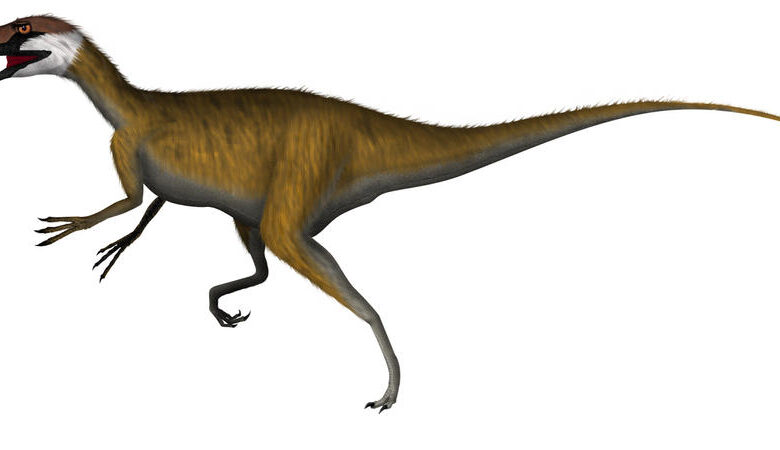
Staurikosaurus, one of the earliest known dinosaurs, is making headlines today due to recent paleontological findings that shed light on its significance in dinosaur evolution. This early theropod, also known as the “Southern Cross Lizard,” offers a fascinating glimpse into the dawn of the dinosaur era.
Main Points
- 1 Discovery and Historical Significance
- 2 Physical Characteristics
- 3 Evolutionary Insights
- 4 The Role of Staurikosaurus in Dinosaur Evolution
- 5 Google Doodle Tribute
- 6 Public Reaction
- 7 Ongoing Research and Future Discoveries
- 8 Educational Impact
- 9 The Significance of Staurikosaurus in Popular Culture
- 10 Impact on Science and Paleontology
- 11 Recent Findings
- 12 Paleontological Techniques
- 13 Contributions of Staurikosaurus to Evolutionary Biology
- 14 International Collaboration in Research
- 15 Conservation and Preservation of Fossils
Discovery and Historical Significance
Staurikosaurus was discovered in 1936 by paleontologist Llewellyn Ivor Price in the Santa Maria Formation of southern Brazil. This discovery was groundbreaking, as it provided one of the first looks at early dinosaur life. Staurikosaurus lived approximately 230 million years ago during the Late Triassic period, a time when dinosaurs were just beginning to emerge.
Physical Characteristics
Staurikosaurus was a small, agile predator, roughly 2 to 2.25 meters (6.5 to 7.4 feet) in length, and weighed around 30 kilograms (66 pounds). It had a long neck, sharp teeth, and a long, flexible tail, all of which suggest it was a swift and efficient hunter. Its bipedal stance and strong hind limbs indicate that it was capable of running at significant speeds to catch its prey.
Evolutionary Insights
Recent studies have revealed more about Staurikosaurus’s place in the dinosaur family tree. This dinosaur is an early theropod, a group that includes some of the most famous carnivorous dinosaurs, such as Tyrannosaurus rex and Velociraptor. The anatomy of Staurikosaurus shows several primitive features, helping scientists understand the evolutionary transition from early reptiles to more advanced theropods.
The Role of Staurikosaurus in Dinosaur Evolution
Staurikosaurus’s early appearance in the fossil record provides crucial insights into the evolution of dinosaurs. It helps scientists piece together how theropods evolved and adapted over millions of years. The study of Staurikosaurus and its relatives has revealed patterns of evolution, such as the development of bipedalism and carnivory in theropods.
Google Doodle Tribute
In a recent celebration of this remarkable dinosaur, Google released a special Doodle on October 19, 2024. This animated Doodle features Staurikosaurus running through a prehistoric landscape, showcasing its agility and speed. The tribute highlights the dinosaur’s distinctive long tail and sharp teeth, emphasizing its predatory nature. The Doodle has sparked renewed interest in paleontology and the significance of early dinosaurs like Staurikosaurus.
Public Reaction
The Google Doodle has captivated audiences worldwide, prompting many to learn more about Staurikosaurus and its role in dinosaur history. Social media platforms are buzzing with excitement, as people share their newfound knowledge and appreciation for this early dinosaur. The Doodle has also inspired discussions about the importance of paleontological research and the wonders of prehistoric life.
Ongoing Research and Future Discoveries
Paleontologists continue to study Staurikosaurus and its fossils to uncover more about its biology and ecology. Advances in technology, such as CT scanning and 3D modeling, allow scientists to examine fossils in greater detail than ever before. These technologies are helping to answer questions about the dinosaur’s anatomy, behavior, and its environment.
New discoveries and fossil finds are expected to provide even more information about Staurikosaurus and its relatives. As paleontologists uncover more specimens, they gain a deeper understanding of the diversity and complexity of early dinosaur life.
Educational Impact
The study of Staurikosaurus and other early dinosaurs has significant educational value. It helps students and the public understand the evolutionary history of life on Earth and the processes that have shaped our planet’s biodiversity. Museums and educational institutions use fossils and reconstructions of Staurikosaurus to teach about the Triassic period and the dawn of the dinosaur era.
The Significance of Staurikosaurus in Popular Culture
Staurikosaurus has also made its way into popular culture, appearing in documentaries, books, and even movies. Its status as one of the earliest known dinosaurs makes it a popular subject for storytelling and education. By featuring in various media, Staurikosaurus continues to capture the imagination of people of all ages.
Impact on Science and Paleontology
The discovery and study of Staurikosaurus have had a lasting impact on the field of paleontology. It has helped define the characteristics of early theropods and provided a benchmark for comparing other dinosaur fossils. Staurikosaurus’s significance extends beyond its own species, influencing our understanding of dinosaur evolution and the history of life on Earth.
Recent Findings
In recent years, new fossil discoveries related to Staurikosaurus have added to our knowledge of this early dinosaur. These findings include better-preserved skeletons and evidence of the dinosaur’s diet and habitat. The ongoing research continues to highlight the importance of Staurikosaurus in the broader context of dinosaur evolution.
Paleontological Techniques
The study of Staurikosaurus involves various paleontological techniques, including field excavation, fossil preparation, and detailed anatomical analysis. Researchers use these methods to reconstruct the dinosaur’s appearance and understand its physiology. Advances in technology have also allowed for more precise dating of fossils, helping to place Staurikosaurus within the correct time frame of dinosaur history.
Contributions of Staurikosaurus to Evolutionary Biology
Staurikosaurus provides valuable insights into evolutionary biology, particularly in understanding the origins of theropods and their adaptations. The study of its skeletal structure, teeth, and other features has revealed key information about the transition from early reptiles to more advanced dinosaurs. This knowledge contributes to our understanding of evolutionary processes and the development of biodiversity.
International Collaboration in Research
The study of Staurikosaurus involves collaboration between paleontologists from around the world. Researchers from Brazil, the United States, Europe, and other regions work together to share findings and advance our knowledge of this early dinosaur. International collaboration enhances the quality of research and ensures a comprehensive understanding of Staurikosaurus and its significance.
Conservation and Preservation of Fossils
The fossils of Staurikosaurus and other early dinosaurs are invaluable resources for scientific research and education. Efforts to conserve and preserve these fossils are crucial for ensuring their availability for future generations. Museums, universities, and research institutions play a vital role in safeguarding these precious remains and making them accessible for study and public display.


