
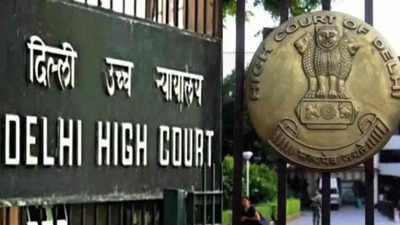
On November 6, 2024, the Delhi High Court issued a crucial order, prohibiting the celebration of Chhath Puja along the banks of the Yamuna River. This decision came after multiple pleas from devotees requesting permission to perform the rituals at their traditional sites. The court’s ruling stems from ongoing concerns about the river’s severe pollution levels, which have raised significant health and environmental risks for those participating in the religious ceremonies.
Main Points
Court’s Warning: Health Hazards of Polluted Waters
The Delhi High Court, led by Chief Justice Manmohan and Justice Tushar Rao Gedela, emphasized that the Yamuna River was too polluted to allow public access. The judges were particularly concerned about the health risks associated with coming into contact with the water, citing high levels of toxic waste and untreated sewage. In their statement, the court made it clear that permitting devotees to enter the river would pose a significant public health danger. The court also reiterated that immediate cleanup efforts were impractical, stressing the necessity of long-term solutions to the river’s pollution.
Government’s Alternative Arrangements
Following the court’s directive, the Delhi government assured the judges that alternative sites had been prepared across the city for the performance of Chhath Puja rituals. More than 1,000 designated locations were set up, allowing devotees to offer prayers away from the heavily polluted Yamuna River. The Delhi government’s counsel highlighted that while they understood the significance of the festival, the health of the public was a priority and needed to be protected.
Despite the arrangements, the court dismissed the plea from a group of devotees who challenged the restriction. The petitioners argued that they should be allowed to perform their religious duties at the river’s banks, as was the tradition for many years. However, the court upheld the ban, prioritizing the safety and well-being of those involved in the religious observance.
Impact of the Decision on the Chhath Puja Celebration
Chhath Puja, which has a massive following, especially among the people of Bihar and Uttar Pradesh, is one of the most significant festivals for devotees. The rituals traditionally involve standing in waist-deep water and offering prayers to the Sun God. The court’s decision to restrict access to the Yamuna River has sparked widespread disappointment among many who view this as a vital part of their cultural and religious identity.
While the ban limits access to the river, many are expressing concern about the alternatives, with questions about whether they will be able to replicate the traditional experience of Chhath Puja at the new locations. Some devotees have expressed frustration, while others have acknowledged the risks associated with the river’s pollution and have accepted the court’s ruling for health and safety reasons.
The Bigger Picture: Yamuna River’s Pollution Crisis
This ruling is the latest in a series of challenges faced by authorities in managing the severe pollution of the Yamuna River, which is one of the most polluted rivers in India. For years, the river has been subjected to the discharge of untreated sewage, industrial waste, and plastic, making it a hazard for both public health and the environment. The central and Delhi state governments have faced criticism for the slow pace of their cleanup efforts.
The Delhi High Court’s intervention highlights the urgent need for comprehensive action to clean the river. Over the years, various initiatives, including sewage treatment plants and river cleaning projects, have been launched. However, progress has been sluggish, and political disputes have often stalled further improvements. Environmentalists have long warned that unless more effective measures are taken, the Yamuna will remain a significant health hazard, impacting millions of lives.
Looking Forward: Long-Term Solutions to Yamuna Pollution
While this year’s Chhath Puja will be celebrated away from the Yamuna, the issue of river pollution continues to be a critical concern. The Delhi High Court’s ruling underscores the need for a sustainable and coordinated approach to cleaning the Yamuna, one that addresses both environmental degradation and the health risks posed to the population. Experts stress that until real progress is made in improving the river’s quality, religious activities that involve the river will continue to face restrictions.
As Chhath Puja celebrations move to alternative sites this year, many are hoping for a future where the Yamuna can be restored to a condition where such religious practices can be safely observed once again on its banks. However, this will require sustained efforts from both the government and the public to combat pollution and protect the environment.


