
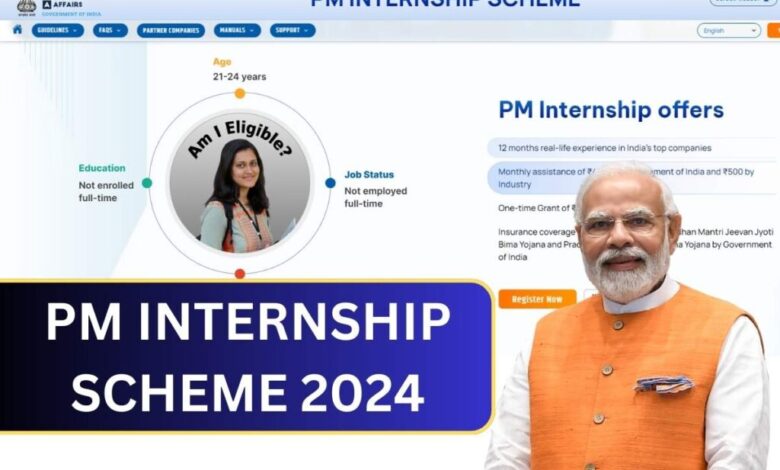
The Prime Minister’s Internship Scheme has become one of the most anticipated initiatives aimed at providing young Indians with real-world exposure, hands-on experience, and a gateway to the corporate world. With an ambitious target of training over 10 million youth in the next five years, the scheme is set to transform India’s employment landscape. In this article, we explore the latest updates on the scheme, from its structure to how young candidates can apply.
Main Points
What is the Prime Minister’s Internship Scheme?
Launched as part of the 2024-25 Budget, the Prime Minister’s Internship Scheme is designed to offer internship opportunities to one crore (10 million) youth across top companies in India. It is a direct response to the increasing need for young professionals with practical skills that match the demands of India’s fast-growing economy. By collaborating with prominent companies, this initiative aims to bridge the gap between education and employment.
Key Highlights of the Scheme:
- Internship Duration: The internships last for 12 months, with at least 50% of the time spent in practical work environments.
- Target Group: Youth between the ages of 21 to 24 years, not engaged in full-time employment or education, are eligible to apply.
- Financial Support: Interns will receive Rs. 5,000 per month (Rs. 4,500 from the government and Rs. 500 from companies) plus a Rs. 6,000 one-time grant for incidentals.
- Insurance Coverage: Interns will be covered by government insurance schemes such as PM Jeevan Jyoti Bima Yojana and PM Suraksha Bima Yojana, with the premium costs borne by the government.
Phase-wise Rollout and Opportunities for 2024
In its pilot phase, launched in October 2024, the scheme aims to provide 1.25 lakh internship positions in the 2024-2025 fiscal year. The program is being implemented through an online portal, which acts as a centralized platform for both candidates and companies to manage the internship process.
Registration and Application Process
- For Companies: Companies participating in the scheme must have a track record of CSR spending over the past three years. These companies can either provide internships directly or collaborate with vendors and partners in their supply chain to offer internships.
- For Candidates: Interested candidates can register on the official portal. The application process allows them to apply for multiple internship positions and also generate a resume directly from the platform.
Insurance and Additional Benefits
One of the standout features of the scheme is the insurance coverage for interns, ensuring their safety throughout the internship. Moreover, companies can extend additional perks, like extended insurance or higher stipends, through their own CSR funds.
The Corporate Participation Model
The scheme is driven by a wide range of corporate partners, including some of India’s top companies. These companies play a pivotal role in providing interns with valuable exposure to real-world business environments.
Who Can Participate?
- Top Corporations: Major companies with significant CSR funding are invited to participate voluntarily.
- Industry-specific Roles: Internships will be offered across various sectors, ranging from IT to healthcare to manufacturing, ensuring diversity in job opportunities.
- Collaborations: Companies unable to offer internships directly may collaborate with third-party partners within their value chains to create opportunities for the youth.
Training and Skill Development
The core objective of the internship program is to provide hands-on training. Interns will gain skills that are highly relevant to the current job market. By working directly with industry leaders, young people will not only enhance their technical skills but also their soft skills, such as communication and problem-solving, making them more competitive in the job market.
The Role of Partner Companies in Shaping Interns’ Futures
Partner companies are responsible for ensuring that the internships are meaningful and provide real-world experience. The internships focus heavily on on-the-job training, with companies offering a mentor-based approach to learning, which helps the interns grow under the guidance of experienced professionals.
Multilingual Support and Assistance
To make this program accessible to youth from all regions, the scheme includes a multilingual helpline. This ensures that candidates from diverse linguistic backgrounds can apply and receive assistance in their preferred language.
Eligibility Criteria
To be eligible for the Prime Minister’s Internship Scheme, candidates must meet certain criteria:
Age and Education Requirements:
- Age: Candidates should be between the ages of 21 and 24 years.
- Education: The scheme is open to youth with high school, higher secondary, ITI certificates, or diploma qualifications. Graduates and those in online/distance education programs are also eligible.
Employment Status:
- The scheme is specifically aimed at those who are not engaged in full-time employment or enrolled in full-time education.
Benefits for Interns
Financial Support
Each intern will receive a stipend of Rs. 5,000 per month, ensuring that they are compensated for their efforts. Of this amount, Rs. 4,500 will be disbursed by the government, and Rs. 500 will be provided by the companies as part of their corporate social responsibility (CSR) initiatives.
Career Enhancement
Interns will also be provided with a certificate upon successful completion of their internship, which will add credibility to their resume and improve their chances of securing full-time employment in top firms.
Insurance and Safety
Interns will benefit from government-sponsored insurance under schemes like PM Jeevan Jyoti Bima Yojana and PM Suraksha Bima Yojana, offering financial security in case of accidents.
How Can You Apply?
Interested candidates can visit the official portal to register for the internship scheme. The process involves submitting personal details, qualifications, and preferences for the internship role. The portal is user-friendly and offers tools for generating resumes and browsing internship opportunities in various sectors.
Key Dates for 2024:
- Application Period: Registration opened in early October 2024.
- Internship Offers: Candidates will start receiving offers in November 2024, with internships scheduled to begin in December 2024.
Future Prospects and Growth Opportunities
This internship scheme has the potential to significantly impact India’s employment sector. By offering young Indians exposure to leading companies and providing them with practical training, the scheme will help close the skills gap and create a more competitive workforce. Additionally, the collaboration with CSR funds ensures that companies actively contribute to the professional development of the next generation.
As the scheme continues to expand, it is expected to create opportunities for youth across the country, enhancing employability and helping India reach its goal of becoming a global economic powerhouse.
Stay updated on the latest announcements and internship opportunities by visiting the official Prime Minister’s Internship Scheme portal.


