Rising Tensions in Srinagar Following Grenade Attack in Busy Sunday Market

On Sunday, Srinagar’s bustling flea market turned chaotic as a grenade attack injured several civilians, marking another in a series of recent militant activities across Jammu and Kashmir. The attack, which struck close to the heavily guarded Tourist Reception Centre (TRC), underscores growing security concerns in the area. Here’s an in-depth look at the incident, its implications, and the broader security landscape in Srinagar.
Main Points
- 1 The Incident: A Flea Market Targeted
- 2 Security Measures: Government’s Response to Escalating Violence
- 3 The Human Toll: Civilian and Economic Impact
- 4 Government and Community Efforts for Resilience
- 5 Context: The Broader Landscape of Conflict in Jammu and Kashmir
- 6 Strategic Responses and Possible Outcomes
- 7 Looking Forward: Srinagar’s Path Amid Uncertainty
The Incident: A Flea Market Targeted
Grenade Explosion Injures Civilians
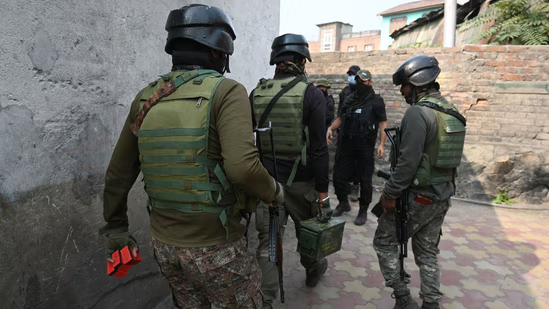
The grenade explosion disrupted the usual weekend crowd in the Srinagar flea market, injuring at least five civilians, with reports indicating that this number could rise as further assessments are made. Located near the TRC, the market serves as a popular gathering spot for locals and tourists alike, making it a vulnerable target for such attacks. Security forces quickly cordoned off the area, and additional personnel were deployed to manage the aftermath and ensure public safety.
Terrorism Remains a Persistent Threat
This recent attack adds to a troubling uptick in violent incidents within the region. Militant groups have increasingly targeted civilian-heavy areas, bringing renewed attention to the fragile peace in the area. Just days before the attack, security forces neutralized several militants in separate encounters across Anantnag and Khanyar, heightening tensions and prompting a more robust security response.
Security Measures: Government’s Response to Escalating Violence
Enhanced Security Deployments
In the wake of Sunday’s attack, authorities have amplified security protocols across Srinagar and surrounding areas. Key entry points are being monitored closely, with checkpoints and random vehicle searches becoming more frequent. Intelligence agencies are actively working to trace the perpetrators, aiming to curb further incidents and instill a sense of safety among residents and visitors.
Increased Surveillance and Intelligence Gathering
Following repeated instances of grenade attacks, surveillance efforts have been intensified. Local law enforcement has introduced advanced surveillance technology and is coordinating with national intelligence agencies to enhance real-time threat monitoring. This includes greater scrutiny of social media channels, where militant groups often communicate and claim responsibility for such attacks.
The Human Toll: Civilian and Economic Impact
Psychological Impact on Residents
For locals, living amid a backdrop of violence has long-term psychological repercussions. The recent attack has amplified anxiety, with residents voicing concerns over their safety. Daily routines are disrupted, and civilians are apprehensive about frequenting crowded public spaces. The trauma and fear associated with each attack leave lasting scars, impacting mental health across communities.
Economic Fallout on Tourism and Local Businesses
As the capital city of Jammu and Kashmir, Srinagar heavily depends on tourism. However, attacks like these discourage visitors and harm local businesses, which rely on steady footfall. The tourism sector, still recovering from prior disruptions, faces a downturn with cancellations rising. Local vendors, particularly those operating in crowded spaces like the Sunday market, find themselves vulnerable to both financial and physical risks in this tense environment.
Government and Community Efforts for Resilience
Initiatives to Boost Local Morale
In response to these challenging times, community leaders and government representatives have been organizing resilience programs, encouraging solidarity and mental health support for residents. Local youth and civil society organizations are working together to foster a sense of unity and stability, often arranging dialogues, workshops, and counseling sessions for those affected by ongoing violence.
Support for Victims and Affected Families
After the Sunday market attack, government officials pledged aid and medical assistance to the injured. There are ongoing efforts to provide financial and social support to victims’ families. Local non-profits are also stepping in to help, with some arranging emergency funds and support for long-term recovery.
Context: The Broader Landscape of Conflict in Jammu and Kashmir
Historical Tensions and Their Resurgence
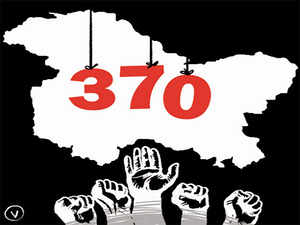
Jammu and Kashmir’s complex history of political strife has been marked by periods of intense conflict and uneasy ceasefires. After the revocation of its special status in 2019, the region saw changes in its administrative structure, which have been met with varied responses from the local population. The subsequent militarization and clampdown on public activities have contributed to a volatile environment.
Militant Groups: A Persistent Threat
Various militant groups, including those with links to Pakistan, have intensified activities in Jammu and Kashmir, particularly in areas around Srinagar. While security forces have launched multiple operations to neutralize threats, insurgent networks continue to operate, often finding ways to regroup. The recent attacks reflect the adaptability and persistence of these groups, despite heightened security measures.
Strategic Responses and Possible Outcomes
Policy Adjustments for Enhanced Security
The government’s approach to securing Srinagar now includes policy-level adjustments that prioritize safety in public spaces. Measures are also being taken to improve coordination among different branches of law enforcement and intelligence services. These changes are part of a broader effort to reduce violence and establish a foundation for long-term stability in the region.
The Role of Dialogue in Reducing Conflict
Some experts advocate for renewed dialogue as a means to address the underlying issues that fuel unrest in Jammu and Kashmir. While military strategies continue to dominate, community-level dialogue could serve as a complementary approach, helping bridge divides and fostering peace over time. Though challenging, this dual strategy might offer hope for a more stable future.
Looking Forward: Srinagar’s Path Amid Uncertainty
As Srinagar grapples with recurring violence, its residents are navigating a landscape where resilience and caution go hand in hand. With the government intensifying security and community efforts focusing on mental health and solidarity, there is a collective push to counter the effects of violence. However, the path to stability remains fraught with challenges as the region faces the dual pressures of security concerns and economic strains.
Each attack reopens the wounds of past conflicts, reminding Srinagar’s people of both the hardships they’ve endured and their remarkable resilience.