South Africa’s Currency Landscape: Navigating Economic Challenges and Opportunities

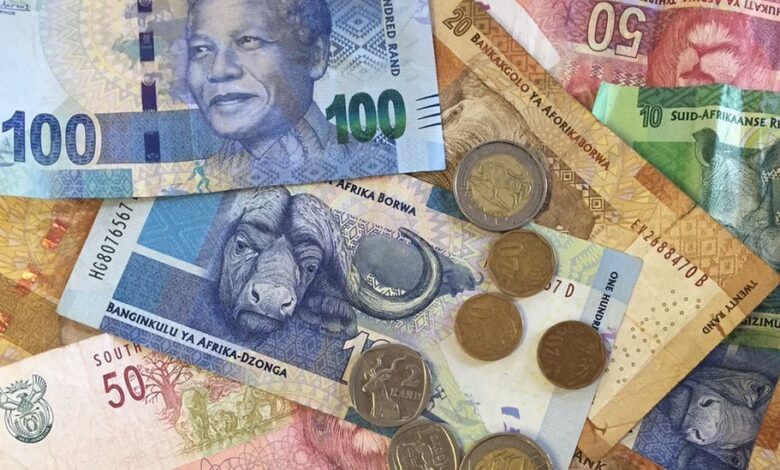
South Africa’s currency, the Rand (ZAR), has been a focal point of economic discussions in recent years. Amidst global economic shifts and internal challenges, the Rand’s performance has been a mixed bag of highs and lows. This article delves into the current state of South Africa’s currency, exploring its historical context, recent trends, and the factors influencing its value.
Main Points
Historical Context
The South African Rand was introduced in 1961, replacing the South African pound. Since then, the Rand has experienced significant fluctuations due to various economic and political factors. The currency is managed by the South African Reserve Bank (SARB), which plays a crucial role in maintaining monetary stability.
Recent Trends
In 2024, the Rand has shown some resilience despite global economic uncertainties. According to the Big Mac Index by The Economist, the Rand is still one of the most undervalued currencies in the world, with an implied exchange rate of R9.12 compared to the actual rate of R18.19. This undervaluation has been a persistent issue, reflecting broader economic challenges.
Factors Influencing the Rand’s Value
Several factors contribute to the Rand’s performance:
- Global Economic Conditions: The Rand is influenced by global economic trends, including changes in commodity prices, interest rates, and investor sentiment. South Africa’s reliance on commodity exports means that fluctuations in global markets directly impact the currency’s value.
- Domestic Economic Policies: The South African government’s fiscal and monetary policies play a significant role in shaping the Rand’s value. Measures to control inflation, manage public debt, and stimulate economic growth are closely watched by investors.
- Political Stability: Political stability is crucial for maintaining investor confidence. South Africa’s political landscape has been relatively stable, but ongoing issues such as corruption and governance challenges can affect the currency’s performance.
- Trade Balance: South Africa’s trade balance, which measures the difference between exports and imports, impacts the Rand’s value. A positive trade balance, where exports exceed imports, generally strengthens the currency.
- Foreign Investment: Foreign direct investment (FDI) is a key driver of economic growth. South Africa’s efforts to attract FDI, including improving the business environment and infrastructure, can positively impact the Rand’s value.
The Role of the South African Reserve Bank
The South African Reserve Bank (SARB) plays a pivotal role in managing the Rand. The SARB’s primary objectives include maintaining price stability, ensuring financial stability, and managing the country’s foreign exchange reserves. The bank’s decisions on interest rates and monetary policy are closely monitored by investors and analysts.
The Impact of BRICS and De-Dollarization
South Africa’s membership in the BRICS (Brazil, Russia, India, China, and South Africa) bloc has brought attention to the idea of de-dollarization and the potential for a unified BRICS currency. While the concept of a BRICS currency remains symbolic, discussions around reducing reliance on the US dollar have gained traction. This shift could have significant implications for the Rand and South Africa’s economic policies.
Challenges and Opportunities
South Africa faces several challenges that impact the Rand’s value:
- Economic Inequality: High levels of economic inequality can lead to social unrest and political instability, which can negatively affect the currency.
- Energy Crisis: South Africa’s ongoing energy crisis, marked by frequent power outages, hampers economic growth and investor confidence.
- Corruption: Corruption remains a significant issue, undermining economic development and investor trust.
Despite these challenges, South Africa also has opportunities for growth:
- Natural Resources: The country’s rich natural resources, including minerals and agricultural products, provide a strong foundation for economic growth.
- Technological Advancements: Investments in technology and innovation can drive economic diversification and improve productivity.
- Regional Integration: South Africa’s role in regional trade and economic integration can enhance its economic prospects.


